Heating, cooling & fresh air
Your home keeps itself comfy almost by itself. There's no boiler in your apartment. Instead, a heat pump in the technical cabinet just outside your door taps a WKO — a system that stores warmth and cool deep in the ground and shares it across the building. It warms you in winter, cools you in summer, and fills your hot tap. Quiet. Green. Always on.
The energy side is run by Vaanster, your supplier. They cover heating, cooling, and hot tap water. Your electricity and your cold-water connection you arrange yourself — see Settling in.
The golden rule for the whole thing: set it, then leave it be. Read on and you'll see why that's the comfiest move.
The brochure (start here)
Vaanster's brochure is the source of truth on the account and billing side: how to set up your account, how billing works, floor finishes, troubleshooting. Pick your language:
Before you move in
- Register your home with Vaanster before your keys are handed over.
- Open a Mijn Vaanster account — that's where your usage, invoices, and yearly statement live.
- Sort out your electricity and cold-water contracts on the side.
Set it and forget it
There's one thermostat in your living room. Tap the logo and it wakes up.
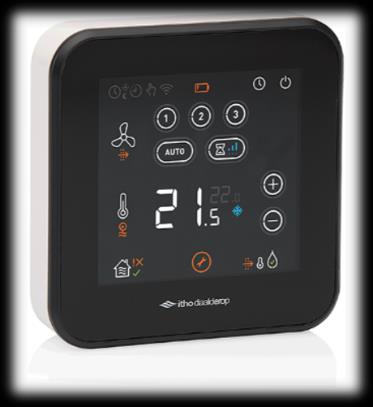
Pick a temperature you love — 20°C is a sweet spot — and then walk away. Really.
- It's a slow mover. A change can take up to 8 hours to feel. So nudging the dial at bedtime or on your way out does nothing but confuse it. Leave it steady and your home stays steady.
- The system picks heat or cool, not you. You set the temperature you want. Behind the scenes, the heat pump decides whether to warm or cool, based on the season and the weather outside. Roughly April to September it cools; the rest of the year it warms.
- Cooling is gentle. It takes the edge off — about 3°C below outside, not arctic. Close the blinds on a sunny afternoon and you'll feel it more.
- Every room joins in, except the bathroom. That one has its own electric radiator to keep your towels toasty.
When it swaps between warming and cooling, it waits a beat on purpose. That little delay saves energy by not flip-flopping. So: one temperature, set once, and enjoy the calm.
Hot water, always ready
Your hot tap runs off the same heat pump. It heats a shared boiler that sits in the cabinet outside your home, alongside a few neighbors'. The system only fires up when it needs to, so your hot shower stays as easy on energy as it is on you.
Your floor does the heating
Warmth and cool rise up through your floor — no radiators hogging the walls. It's a calm, even heat, and it asks for two small habits.
Skip the rug. We know, we know.

A big rug acts like a lid. It traps the warmth and cool right where you laid it, so that patch of room never quite catches up. Rugs also tend to soak up moisture and turn musty while the floor is cooling. Bare floor lets your home breathe — keep a good slice of it open. Not every floor finish plays nicely either, so check the brochure before you lay anything new.
Let it run, day and night. Floor heating is a slow, steady beast. Turning it down overnight backfires — it never quite recovers. Leave it on one setting and you'll be both comfier and cheaper off.
Fresh air, on autopilot
Your home breathes through a shared ventilation system with heat recovery. Stale air on its way out warms up the fresh air coming in, so you get clean air without burning extra energy for it. Old air leaves from your kitchen and bathroom; fresh air arrives in your living room and bedrooms.
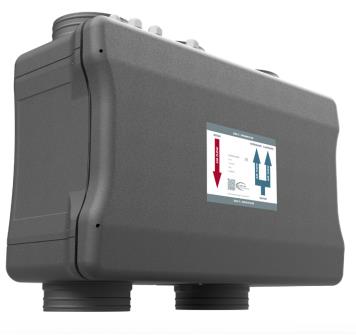
Each home has its own little brain for this — a Cerabox, tucked in the technical cabinet. It runs the show so your home ventilates on its own terms.
A boost when you cook or shower
Cooking up a storm or steaming up the bathroom? Give the air a hand:
- In the kitchen — press the pulse switch near the kitchen. Ventilation jumps to full and drops back to normal after 20 minutes, all on its own.
- In the bathroom — press the pulse switch in there to kick it to full while you shower.
CO₂ does the thinking
Two CO₂ sensors — one in the living room, one in the bedroom — quietly track the air and let the system ventilate exactly as much as needed. Not too little, not too much, no wasted energy. Just know that only the rooms with a sensor get measured, so the living room and bedroom call the shots.

Keeping the ceiling vents clean
The round vents in your ceiling like an occasional wipe. One thing to watch:
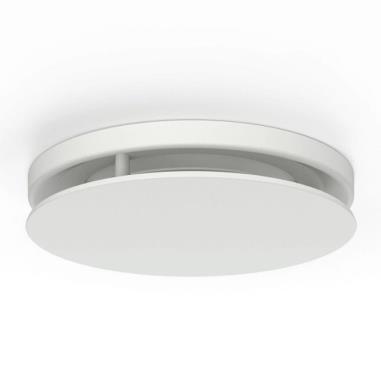
Don't change how far the vent is screwed open. It's set just right for your home. When you take one down to clean it, pop it back into the very same opening, exactly as it was. That keeps the airflow balanced.
Billing in short
- Monthly advance invoice, paid a month ahead.
- A yearly statement squares up against what you actually used.
- Your costs depend on how warm you like it, how much hot water you draw, and your floor finish.
When something's off
- First, give a temperature change its 8 hours — most "it's not working" turns out to be the slow burn doing its thing.
- Then figure out whether it's just your home or the whole building.
- Open the brochure for the troubleshooting steps, or let us know over on Issues and we'll sort it out together.
Who fixes what
- Vaanster handles the heat exchange unit and the energy meters.
- We handle the thermostat, the underfloor manifold and controls, the ventilation, the pipework, and the rest of your internal installation.
Full split and contact details are in the brochure.